
AU Viborg’s green biorefinery in the spotlight at COP30
How can green biomass be transformed into new, sustainable materials and products? This question lies at the heart of one of the world’s largest demonstration platforms for green biorefining, and now the Danish demo site at AU Viborg has gained global attention.
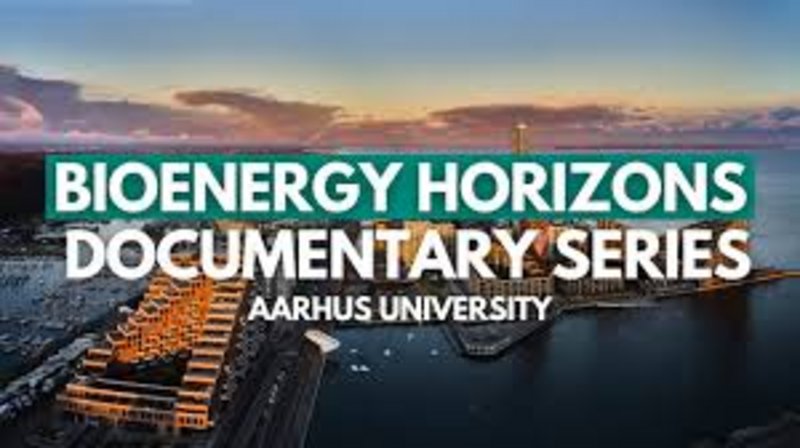
During the COP30 climate summit in Brazil, the Danish platform was featured in a documentary showcasing how perennial green crops can be converted into bio-based products and materials. The film is part of the Bioenergy Horizons series, produced by the World Bioenergy Association in collaboration with BlackRook Media.
Green biorefining: a key to the green transition
Green biorefining is a technology that can reduce dependence on fossil resources and create new value chains in agriculture. By utilizing green biomass, such as grass and clover, we can develop protein for feed, fibers for materials, and other bio-based products that support a more circular bioeconomy.
In the film, Morten Ambye-Jensen, Head of CBIO – Centre for Circular Bioeconomy at Aarhus University, explains the potential of the Danish demonstration platform to deliver solutions with real societal impact. The documentary provides insight into how research and collaboration can drive innovation and contribute to a more sustainable future.
The film also features Esben Øster Mortensen from the Department of Agroecology at Aarhus University, who stresses the urgent need to change current agricultural practices:
“Globally, we are seeing extensive soil degradation, and to address this, it is not enough to simply reduce CO₂ emissions, we also need to actively remove CO₂ from the atmosphere. One of the simplest and most low-tech ways of doing this is through photosynthesis by plants,” he explains.
Perennial cropping systems play a crucial role because they remain green for longer periods throughout the year, capturing more CO₂ via photosynthesis. This carbon can either be stored in the soil or harvested for use in bio-based products.
By producing large amounts of biomass throughout the entire growing season, perennial systems make a significant contribution to the green transition. They represent a practical, nature-based solution to climate challenges while supporting sustainable agriculture.
Cross-disciplinary collaboration creates results
Alongside Morten Ambye-Jensen and Esben Øster Mortensen, several researchers from Aarhus University are featured in the documentary, including:
- Jessica Aschemann-Witzel (MAPP Centre)
- Louise Juul Pedersen (Department of Food Science – AU FOOD)
- Annette Bruhn (Department of Ecoscience)
- Katrine Duus Terkelsen (Aarhus BSS)
This collaboration demonstrates how combining expertise across disciplines is essential for developing solutions that are technologically robust, economically viable, and environmentally sustainable.
Global attention on Danish innovation
The presentation of the Danish demonstration platform at COP30 highlights Denmark’s role as a frontrunner in the international development of the bioeconomy. Green biorefining is not just a technological solution – it is a way to create new business models, strengthen agriculture’s role in the green transition, and deliver materials for a more sustainable future.
Watch the documentary
The film premiered at COP30 and is now available online. Watch it here: